


Control Station PCS
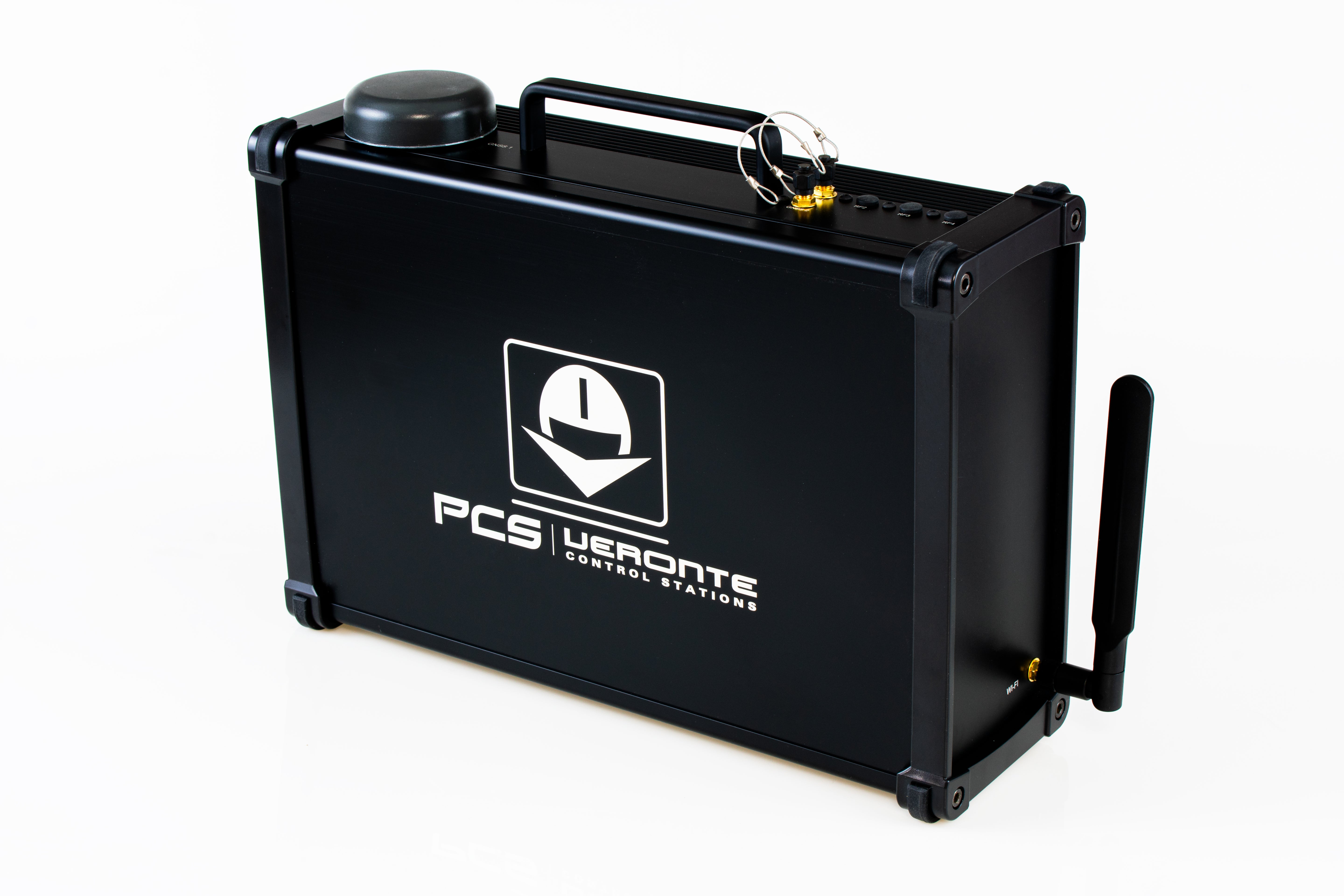
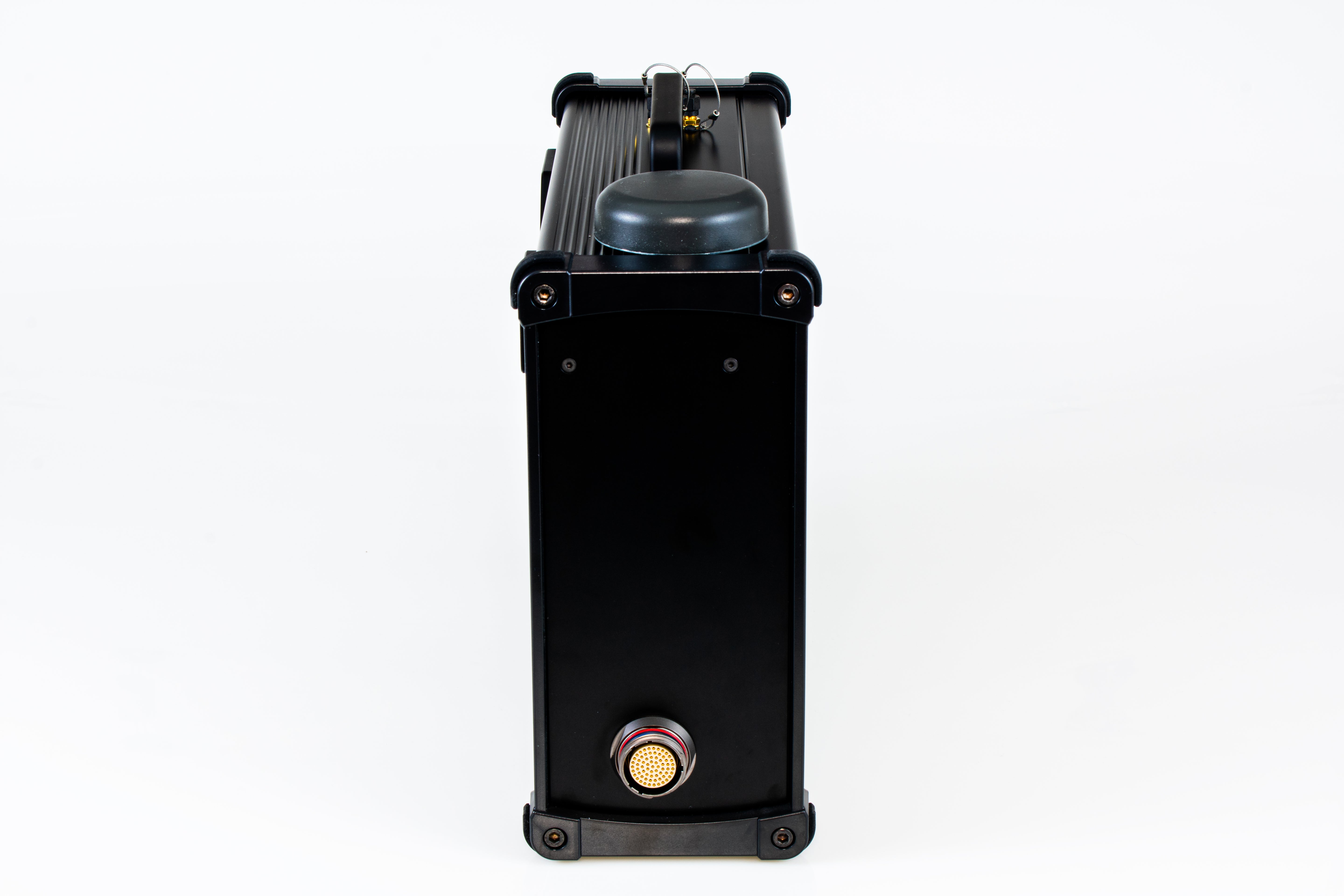
The Veronte PCS 2.1 is a rugged IP54 control station with integrated RTK, sensors, and customizable datalinks. Built for air, land, and sea autonomy with reliable long-range communication.
Pairs well with
Verified EU-made.
Cyber security built into every component.
Remote troubleshooting & configuration help
Control Station PCS
Product details
⚡ Advanced Control for Autonomous Vehicles
The Veronte PCS 2.1 is a rugged, long-range control station designed for precise command and communication with autonomous systems operating in the air, on land, or at sea. It supports RTK and differential GNSS, enabling advanced navigation features such as relative missions, landing on moving platforms, and tracking antenna control.
🛠️ Fully Integrated and Customizable
Built with an anodized aluminum enclosure and rated IP54, the PCS 2.1 provides reliable performance in all environments. It includes embedded sensors — GNSS, IMUs, barometers, and magnetometers — ensuring accurate positioning and attitude data for mission-critical operations.
📡 Flexible Datalink Options
The control station can be configured with multiple datalink types (Embention, DTC, Silvus, Microhard, and others) across 400 MHz, 900 MHz, or 2.4 GHz bands. Its modular design allows integration with a variety of autonomous platforms and long-range LOS communication systems.
🔋 Backup Power and Portability
Equipped with an internal LiFePO4 battery, the PCS 2.1 provides up to 2 hours of autonomous operation in case of power loss. The lightweight mast and rugged wheeled case make deployment fast and practical, whether it’s used in a van, on a ship, or in the field.
🧠 Designed for the Veronte Ecosystem
Seamlessly integrated into the Veronte autopilot architecture, the PCS 2.1 acts as a hub for communication, tracking, and mission coordination. It’s the professional standard for reliable control of UAVs, UGVs, and USVs in complex environments.
If you have any questions, you are always welcome to contact us. We'll get back to you as soon as possible, within 24 hours on weekdays.
-
Shipping Information
Use this text to answer questions in as much detail as possible for your customers.
-
Customer Support
Use this text to answer questions in as much detail as possible for your customers.
-
FAQ’s
Use this text to answer questions in as much detail as possible for your customers.
-
Contact Us
Use this text to answer questions in as much detail as possible for your customers.
FAQs
Please read our FAQs page to find out more.
What is the difference between continuous and peak power?
Continuous power is the level the motor can safely handle over long periods. Peak power is the short-term maximum during acceleration or climb. Exceeding continuous ratings can cause overheating.
What happens if the motor exceeds its maximum temperature?
The motor temperature should normally be monitored by the ESC through the built-in motor temperature sensor. If thermal protection is disabled or not supported, excessive heat can cause partial demagnetization of the magnets, leading to permanent loss of performance or complete motor failure.
How to prevent overheating?
Ensure proper cooling by maintaining sufficient airflow or liquid circulation around the motor. Overheating often indicates that the motor is overloaded or operating outside its efficiency range. Always match the motor with a suitable propeller, gearbox, or load to keep current within the rated limits. Monitor temperature through telemetry and avoid running at peak power for extended periods
What does KV mean?
KV indicates how many revolutions per minute (RPM) the motor produces per volt.
What maintenance does a BLDC motor require?
Brushless motors are mostly maintenance-free. Periodically clean the motor using dry compressed air to remove dust and debris. Avoid using liquids or solvents, and make sure no moisture enters the housing. Check bearings occasionally for smooth rotation.