



Product highlights

Rated Power
Peak Power

Voltage

Weight
Peak Torque
Motor 193-40
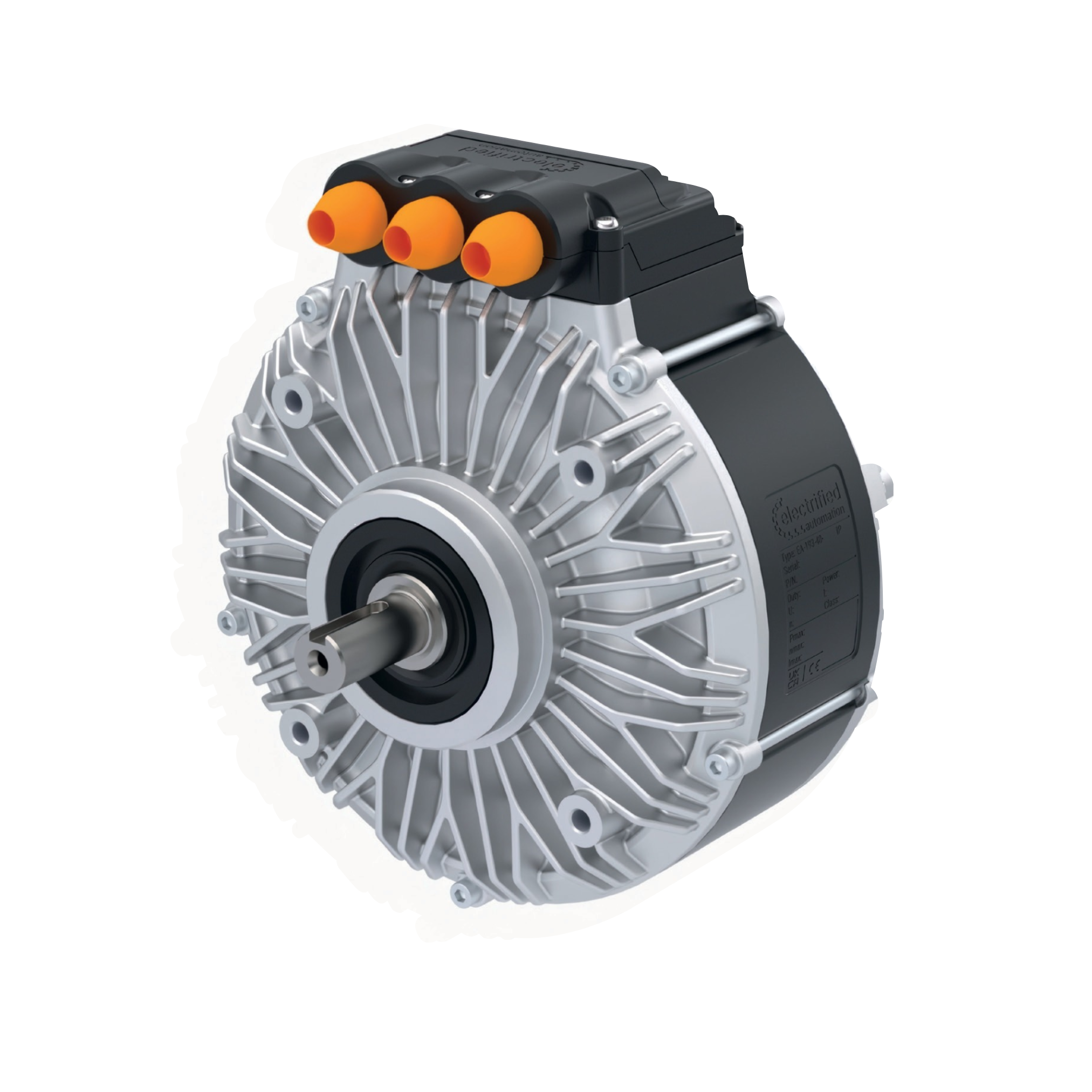
The 193-40 low-voltage IPM motor delivers up to 22.5 kW and 70 Nm in a compact 11.4 kg package. Available in 48 V and 80 V variants, it provides smooth power, high efficiency, and easy integration for electric vehicles and other wheeled applications.
Product highlights
Rated Power
Peak Power
Voltage
Weight
Peak Torque
Pairs well with
Verified EU-made.
Cyber security built into every component.
Remote troubleshooting & configuration help
Motor 193-40
Product details
⚡ Compact Power, Exceptional Density
The 193-40 is a compact low-voltage IPM motor available in both 48 V and 80 V variants. Delivering up to 22.5 kW peak power and 70 Nm torque in a lightweight 11.4 kg frame, it achieves an excellent power-to-weight ratio and smooth, efficient performance across the full RPM range.
🧩 High-Efficiency IPM Technology
Built on advanced Interior Permanent Magnet (IPM) architecture, the 193-40 delivers high torque density and minimal energy loss. Its optimized rotor design ensures stable output, superior thermal balance, and long-term reliability under continuous or heavy-duty operation.
⚙️ Designed for Integration
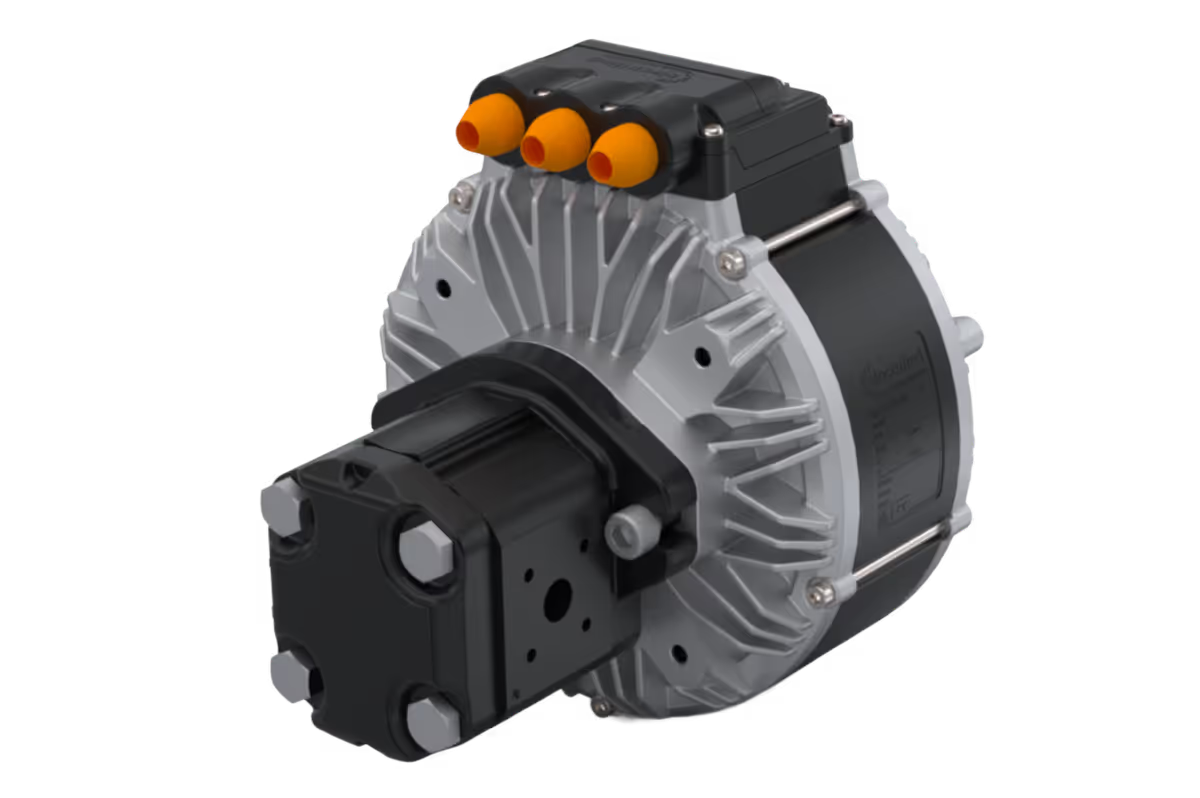
With a through-shaft design and standard mounting interface, the 193-40 integrates easily with pumps, gearboxes, or direct-drive systems. Its modular construction allows straightforward implementation in electric vehicles, light utility machinery, and other wheeled platforms.
🛠️ Precision Engineering and Repeatability
Manufactured using high-quality materials and optimized for automated, repeatable assembly, the 193-40 combines precision craftsmanship with consistent performance. The result is a durable, maintenance-friendly drive unit built for reliability and long operational life.
Basic parameters
Max. continuous power (kW)
Max. peak power (kW)
Max. voltage (V)
Max. Torque (Nm)
Mechanical parameters
Weight kg
Max rpm
Motor length mm
Motor diameter mm
Casing
Documents
48V Datasheet

80V Datasheet

If you have any questions, you are always welcome to contact us. We'll get back to you as soon as possible, within 24 hours on weekdays.
-
Shipping Information
Use this text to answer questions in as much detail as possible for your customers.
-
Customer Support
Use this text to answer questions in as much detail as possible for your customers.
-
FAQ’s
Use this text to answer questions in as much detail as possible for your customers.
-
Contact Us
Use this text to answer questions in as much detail as possible for your customers.
FAQs
Please read our FAQs page to find out more.
What is the difference between continuous and peak power?
Continuous power is the level the motor can safely handle over long periods. Peak power is the short-term maximum during acceleration or climb. Exceeding continuous ratings can cause overheating.
What happens if the motor exceeds its maximum temperature?
The motor temperature should normally be monitored by the ESC through the built-in motor temperature sensor. If thermal protection is disabled or not supported, excessive heat can cause partial demagnetization of the magnets, leading to permanent loss of performance or complete motor failure.
How to prevent overheating?
Ensure proper cooling by maintaining sufficient airflow or liquid circulation around the motor. Overheating often indicates that the motor is overloaded or operating outside its efficiency range. Always match the motor with a suitable propeller, gearbox, or load to keep current within the rated limits. Monitor temperature through telemetry and avoid running at peak power for extended periods
What does KV mean?
KV indicates how many revolutions per minute (RPM) the motor produces per volt.
What maintenance does a BLDC motor require?
Brushless motors are mostly maintenance-free. Periodically clean the motor using dry compressed air to remove dust and debris. Avoid using liquids or solvents, and make sure no moisture enters the housing. Check bearings occasionally for smooth rotation.