


What a BLDC Motor Actually Is
A BLDC motor, or Brushless Direct Current motor, is an electric motor that uses permanent magnets on the rotor and electronically controlled currents in the stator to create rotation. Unlike brushed motors, there are no mechanical brushes or commutators. All switching is handled electronically by an external controller (learn how to choose one in our article)
A Short History
BLDC motors emerged as an evolution of brushed DC motors. For decades, brushed motors dominated because they were simple and cheap, but they suffered from friction, noise, limited lifespan, and poor efficiency. As power electronics improved and lithium batteries became widely available, fully electronic commutation became possible. This allowed BLDC motors to deliver higher efficiency, much better power density, and longer lifetime. They quickly became the standard for UAV propulsion, robotics, industrial tools, and many mobile applications.
How a BLDC Motor Works
A BLDC motor consists of a stationary stator with copper windings and a rotating rotor equipped with permanent magnets. When the ESC energizes the stator windings in the correct sequence, a rotating magnetic field is created. This field pulls the rotor around and generates mechanical rotation. The speed and torque depend on how fast and how strongly the ESC switches the stator phases. The construction includes very few mechanical moving parts, which reduces internal friction and heat generation. This makes the motor highly efficient, stable in long term operation, and mechanically reliable even in demanding continuous duty applications.
Main Types of BLDC Motors
Outrunner motors
The rotor is on the outside and spins around the stator. They produce high torque at low RPM and are widely used in drones, model aircraft, lightweight electric propulsion, and applications where direct drive is preferred.
Inrunner motors
The rotor is inside the stator. They spin at much higher RPM and provide lower torque per revolution. They are common in high speed systems, pumps, compressors, and applications that require gear reduction.
Axial flux motors
The rotor and stator face each other instead of forming a cylinder. This design offers extremely high torque density and compact dimensions, making axial flux motors popular in high performance UAVs, robotics, and eVTOL projects.
Position Sensors and Cooling Options
BLDC motors can operate sensorless or with sensors depending on the control strategy and required precision.
Hall sensors
Digital sensors that detect rotor position every sixty electrical degrees. Ideal for startup and low speed torque control.
Sin Cos encoders
Analog sensors that deliver continuous position information. Excellent for smooth vector control and high precision robotic applications.
Magnetic encoders
Compact position sensors that can provide incremental or absolute feedback. Used in applications requiring good accuracy with minimal space.
SSI and BiSS encoders
Industrial grade serial encoders with high resolution and robust communication. Common in professional automation and high power drives.
Temperature sensors
Integrated inside the stator windings to monitor motor temperature and prevent thermal overload.
Cooling types
BLDC motors rely primarily on two cooling methods.
Air cooling is standard in drones and lightweight platforms that have constant airflow.
Liquid cooling is used in high power motors or enclosed spaces where airflow is limited and heat must be removed efficiently.
How to Choose the Right BLDC Motor
When selecting a motor, consider how the mechanical load, required speed, and power system work together.
-
Type of load
High torque and low RPM loads such as propellers or wheels benefit from outrunners or axial flux motors. High RPM loads or systems that use gearboxes usually require inrunners. -
Required RPM and KV choice
KV describes how many revolutions per minute a motor produces per volt under no load. Higher KV means higher RPM and lower torque.
Choose KV so that the motor reaches its target working RPM on your battery.
For example, a 300 KV motor on a 12S battery will spin roughly 13 000 to 14 000 RPM without load. Under propeller load, the real speed will be lower. -
Power rating and thermal limits
The motor must handle the expected continuous power without overheating. Consider airflow, duty cycle, and the cooling method. Propulsion motors should always have thermal headroom. -
Mechanical form factor
Make sure the motor diameter, length, shaft size, and mounting pattern fit your project. Outrunners are wide and short, axial flux motors are flat, inrunners are narrow and long. -
Sensor requirements
Use sensors when you need precise low speed control, high accuracy, or advanced vector control. Sensorless is fine for simple UAV propulsion. -
ESC compatibility
Verify that the ESC can handle the motor’s pole count and top speed. The ESC eRPM limit must be higher than the electrical RPM produced by the motor at maximum mechanical speed.
In Summary
BLDC motors are the foundation of modern electric propulsion and robotics. They deliver high efficiency, excellent power density, and long operational life. Selecting the correct motor requires understanding the load, the required RPM, cooling needs, and compatibility with the ESC and battery. A well chosen motor provides stable performance, low temperatures, and long term reliability.
Need Help Choosing?
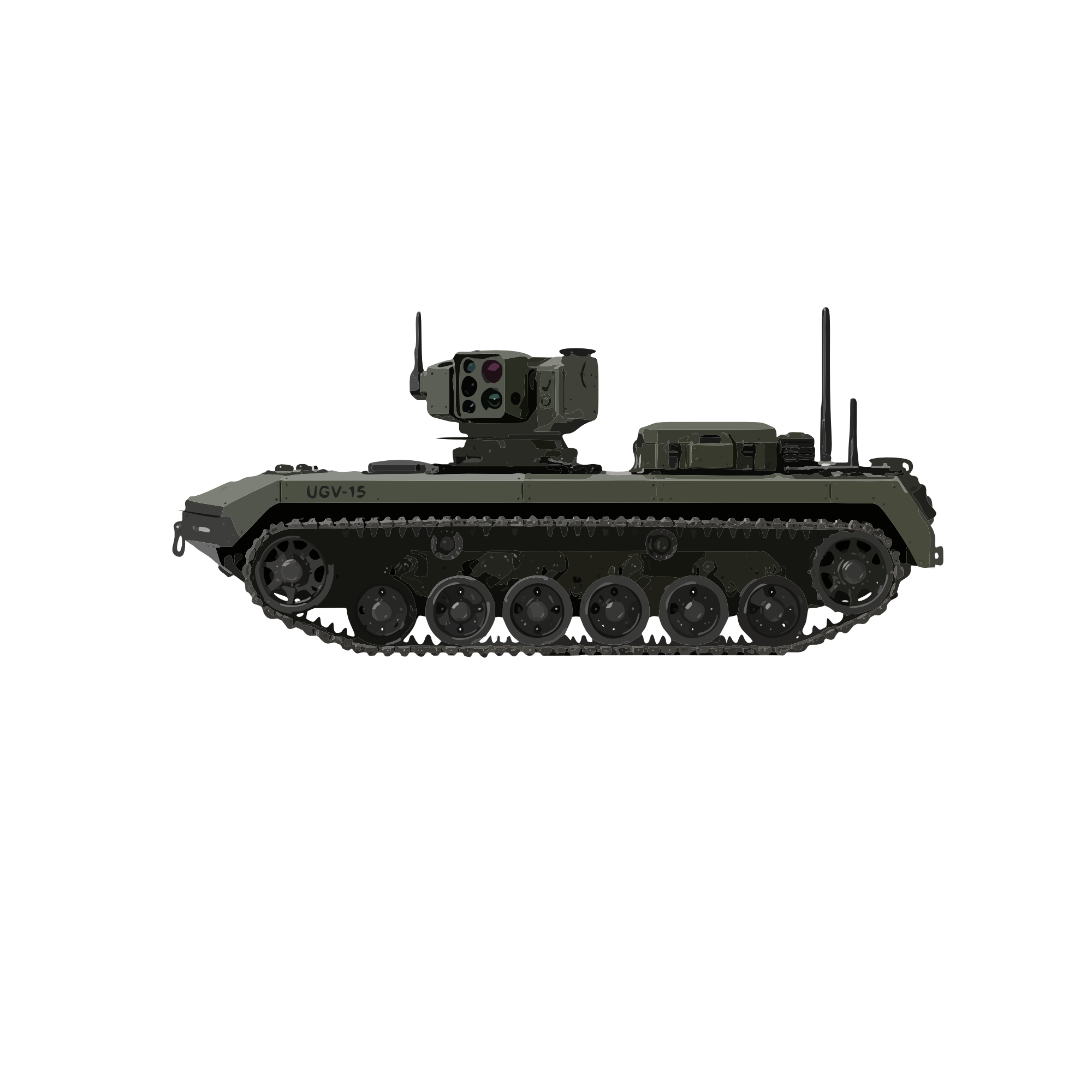
If you want assistance selecting a BLDC motor for your UAV, UGV, robot, or any technical project, our engineering team will help you choose, size, and test the right solution.
Write to strava@componentas.eu and we will prepare the optimal setup for your application.

Share:
What is an ESC and How to Choose the Right One
Europe cannot afford invisible risks anymore